

Choosing a Bunk Bed For Kids
A bunk bed can bring siblings closer together and give them the feeling of adventure. It can also be able to accommodate an additional twin or full mattress at the bottom to accommodate sleepovers.
Before you buy a bunkbed for your child, make sure you consider these safety tips. Make sure the ladder and stairs attach firmly to the frame, and the gaps in the guard rails aren't large enough for strangulation.
Safety
Bunk beds can be a fantastic space saver for kids however, they can also be risky if not set up properly and monitored. Always select bunk beds with full-length guardrails on both sides of the bed. Choose a bunk bed that has been tested for safety by a third-party lab and is in compliance with all CPSC requirements. If possible, place the bunk beds in a room without doors or windows. This will prevent children from escaping their bunks during the night.
Be aware of the weight capacity of your children and their age range when choosing a bunk bed. Some bunk beds are only for children, whereas others can accommodate adults and teens. Also, consider if you would like the flexibility of a trundle bed at the bottom or if you prefer to have a single twin mattress for both beds. If kids bunk bed intend to use the bed for more than two children, make sure the beds are compatible and that there is enough room in the space to accommodate both beds.
Certain children are more for the top bunk than others, and it's crucial to assess their readiness for bunk beds on a regular basis. Experts generally recommend that children less than six years of age not sleep on the top bunk as they may lack the coordination and spatial awareness necessary to safely traverse the ladder and the high-level of the bed.
If your children have guests over often, be sure they are aware of the rules of bunk beds, including not climbing on the ladder, and not hanging or rough-housing off the guardrails. In addition, you should encourage your children to keep things like belts, jewelry and jump ropes out of the bunk bed as these can pose a strangulation risk. For added peace of mind Some bunk beds include stairs instead of ladders and are a great alternative for children who have difficulty climbing. Children can put night lights on bunk beds to assist them navigate safely from the bottom bunk to the top bunk during the night.
Space-Saving
Bunk beds make the most of limited floor space by elevating sleeping areas, which frees space to play or study. This solution is not only suitable for bedrooms for children but also used to create a focal point for a living room or dining space.
Consider the dimensions of your room as well as your child's age when choosing the right bunk beds for your children. The majority of kids move to the top bunk between six or eight years old, at which point they begin to demonstrate the maturity and dexterity required for this arrangement. However you know your child best and you should conduct a personal assessment of their level of readiness to ensure they can handle the transition confidently and comfortably.
Many bunk bed ideas include stairs or ladders that offer easy access to the upper level. Stairs may take up more space than ladders, however they are safer for children as they learn how to navigate the beds' heights. Some bunks come with a slide, giving children a thrilling experience every when they go to bed.
If you choose a bunk with stairs, opt for a design that has plenty of storage options. This style from Lucy Harris Studio includes a built-in drawer beneath the stairs, which helps keep the bunks clean and well-organized.
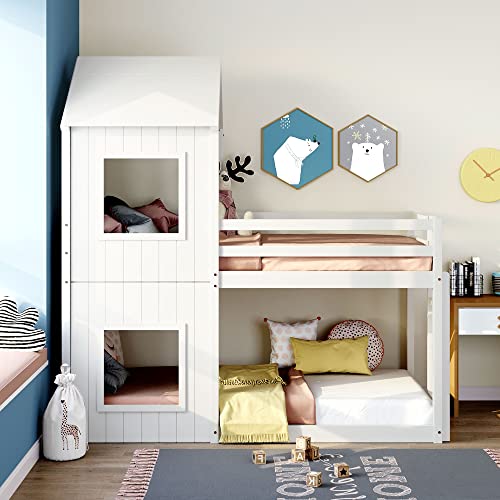
Include a theme into the design of your bunk beds to make them feel more unique. A sports-themed bunk is a great option for children who enjoy football, baseball, or soccer. A fairytale bunk could be ideal for girls who are just starting out. Bunks with an integrated desk are also a great option for kids who need to complete homework or study at home.
Bunks are a great choice for siblings who want to spend time together but also appreciate the privacy and independence of their own bedrooms. When it comes to sleepovers for siblings, bunk beds allow them to host their friends comfortably without the need of the sofa or floor. In addition, only kids who share a room with a sibling will appreciate the possibility of having buddies over for sleepovers as well.
Convenience
Bunk beds are a common choice for kids as they allow siblings to share a space without taking up floor space. This lets children play, study and grow together while enjoying their independence. It is also easy for parents with an active family schedule to keep their home tidy and keep track of their busy schedule. Bunk bed designs offer a variety of features that maximize the use of vertical space and can be easily integrated into any style of bedroom.
Bunk beds are a great way to make space and show your parenting style. Loft and bunk beds are available in a wide variety of sizes and styles that can be adapted to any room and include twin over full-size beds and twin over queen beds. Some models have built-in storage and others provide additional storage space, such as a twin or full trundle. These beds can also be used later on when your kids outgrow them, as they could easily convert into two separate single beds or a daybed.
In addition to saving you space, lofts and bunks can bring a sense excitement and excitement to any bedroom. Many children love the opportunity to claim the top bunk and transform it into a fort or clubhouse. They can also invite friends over for sleepovers, and create a space where they can engage their imaginations.
Spending more time with their siblings during the evening can also aid in strengthening their bonds. No matter how old they are, having each other to talk to through the tough times of siblinghood could help strengthen bonds and foster emotional development. Bunk and loft bed arrangements are great for older siblings with younger siblings. The older child can mentor the younger one and create an enduring bond with them.
Ultimately, the right bunk bed for your children is determined by your child's ability to safely climb up and down. While the average child is ready to move up to the top bunk about six years old, it's crucial to take a detailed assessment of your child's mental and physical development. Physical development involves dexterity, coordination and ability to climb a ladder. Mental development is contingent on the level of maturity and.
Style
Bunk beds for kids can be a fun, playful look to any bedroom. They are great for friends or siblings who sleep over together. They let children express their individuality through the color, theme and design they select for their rooms. When choosing a bunk bed, there are a variety of choices to think about.
A traditional bunk bed is the most basic configuration. It is two twin-sized bunk beds that are stacked on top of each other. This arrangement is perfect for siblings who share one room, as it permits them to see each other comfortably even though they are on different floors. Many of the basic models of bunk beds offer the option of customization, making it easy to find a bed that is suitable for the bedroom of any child.
Some bunk beds also have specific features that make them more functional and fashionable. For instance, some come with storage drawers under the bed to help keep the space beneath the bunks clean and organized. This makes it easier to store bedding, clothing and other things. You can also add drapes or curtains to the bunk bed to provide some privacy while sleeping.
Other styles of bunk beds for children include loft beds that raise the mattress a few feet off the ground. This arrangement is space-saving and makes a perfect spot to study, read or simply relax. You can also add more storage space by adding shelves or a desk.
The last option is an original, themed bunk bed that aligns perfectly with the overall room theme. Bunk beds can be made in the shape of castles, trees, or pirate ships. This can add a fun element to any bedroom for children. These themed bunks encourage imaginative play and encourage creativity.
It's important to consider your child's maturity and age when deciding whether a bunk bed would be the best choice for him or her. It is generally accepted that children should transition to the top bunk at the age of 6 or 7. However, you'll be able to determine whether your child is at the age and capable of sleeping on elevated furniture.